What is Fire?
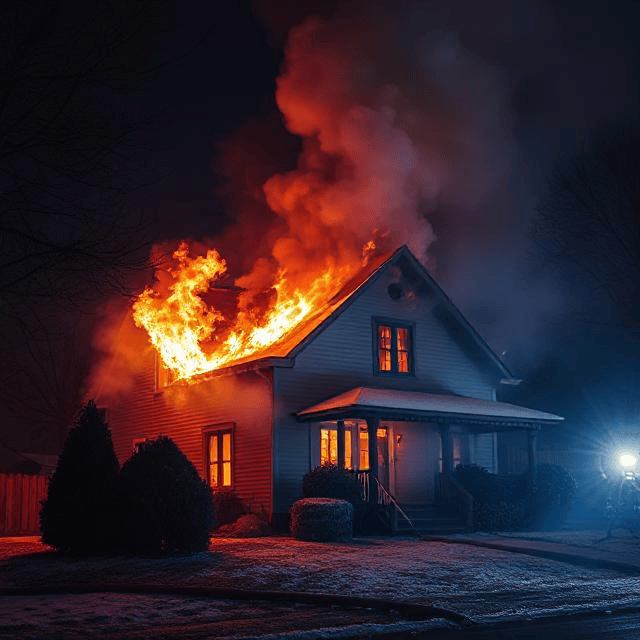
Fire is a chemical chain reaction that occurs when a material (usually something flammable) combines with oxygen from the air and reaches a high enough temperature to produce heat and light.
It is a result of a process called combustion. In addition to heat and light, fire produces gases like carbon dioxide and water vapour.
The three (3) essential components for fire to occur are heat, fuel, and oxygen, which together form what’s called the “Fire Triangle.”
When combined in the right amounts, a chemical chain reaction is created, hence creating the “Fire Tetrahedron.”
Fire safety is about preventing fires and ensuring that people can respond quickly and safely if one occurs. Here are some key points of fire safety:
Prevention:
- Keep flammable materials away from heat sources.
- Don’t overload electrical outlets.
- Regularly check smoke detectors and replace batteries as needed.
- Store flammable liquids properly, and follow manufacturer instructions for heating appliances.
Escape Plan:
- Have an escape plan that includes two ways out of each room and a meeting spot outside.
- Practice fire drills with everyone in your household or workplace.
- Ensure that everyone knows how to contact emergency services (such as 911) or designated family emergency contacts.
During a Fire:
- Stay low to the ground where the air is less smoky.
- If you are trapped, try signalling through a window.
- If clothing catches fire, “Stop, Drop, and Roll” until the fire is extinguished.
After a Fire:
- Don’t re-enter the building until authorities say it’s safe.
- Keep an eye on hazards like fallen power lines or structural damage.
Fire Extinguisher
A Fire Extinguisher is a portable device used to put out or control small fires. It’s an essential tool for fire safety, especially in places like homes, kitchens, garages, and workplaces. They come in different types, designed to handle specific kinds of fires.
Types of Fire Extinguishers:
Fire Extinguishers are classified by the type of fire they are designed to fight. These classes are labelled with letters:
- Class A: Ordinary combustibles like paper, wood, and cloth.
- Class B: Flammable liquids like gasoline, oils, and grease.
- Class C: Electrical and energized equipment fires (e.g., appliances, wiring).
- Class D: Combustible metals, such as magnesium or titanium.
- Class K: Kitchen fires involving cooking oils, fats, and grease.
How to Use a Fire Extinguisher (P.A.S.S Method):
Place Fire Extinguishers in key areas like the kitchen and near electrical equipment. When you use a fire extinguisher, remember the P.A.S.S method:
- Pull the pin – this will break the tamper seal.
- Aim the nozzle at the base of the fire – aim at the bottom, not the flames.
- Squeeze the handle – apply steady pressure to release the extinguishing agent.
- Sweep from side to side – move the nozzle in a sweeping motion, covering the fire.
When to Use a Fire Extinguisher:
- Only if the fire is small and contained.
- If the room is not filled with smoke, and you can exit safely.
- If you are confident in your ability to use the extinguisher.
- If the fire is not electrical, chemical, or involving flammable gases (unless the extinguisher is rated for those types of fires).
Maintenance and Safety Tips:
- Check regularly: Ensure the pressure gauge is in the green zone, indicating that the extinguisher is fully charged.
- Annual servicing: Have your Fire Extinguisher inspected and serviced annually by a professional.
- Know how to use it: Practice using it (at least mentally) so you’re not panicking in an emergency.
Smoke Alarms
Smoke alarms are one of the most crucial safety devices in any building, as they can detect smoke or fire early and alert people to evacuate before conditions become dangerous.
They’re especially important because they can give you the precious time needed to escape a fire, even if you’re asleep.
How Smoke Alarms Work:
Smoke alarms typically use one of two technologies to detect smoke:
Ionization Smoke Alarms:
These are more responsive to fast, flaming fires. They work by using a small amount of radioactive material to create a flow of ions between two electrodes. When smoke enters the chamber, it disrupts the flow of ions, triggering the alarm.
Photoelectric Smoke Alarms:
These are more responsive to smouldering fires. They use a light source and a sensor. When smoke enters the chamber, it scatters the light, which then hits the sensor and triggers the alarm.
Some alarms combine both technologies, known as dual-sensor alarms, which provide better coverage for different types of fires.
Smoke Alarm Safety Tips:
Installation:
- In every bedroom: Install a smoke alarm inside each sleeping area.
- On every floor: Have alarms on every level of the home, including the basement and attic.
- On the ceiling: Mount smoke alarms on the ceiling, ideally in the centre of the room, as smoke rises.
Test Regularly:
- Test alarms at least once a month by pressing the test button. If it doesn’t sound, change the batteries or check the alarm for issues.
Change Batteries:
- Change the batteries at least once a year (or more if the alarm has a low-battery warning sound). A good reminder is to change them when you change your clocks for daylight savings time.
Replace Old Smoke Alarms:
- Smoke alarms typically need to be replaced every 10 years, as the sensors can lose their effectiveness over time.
Keep the Alarms Clean:
- Dust and dirt can interfere with the smoke detection. Gently vacuum the outside of the alarm to keep it clear of debris.
Know What to Do When It Sounds:
- If the alarm sounds, don’t ignore it. It could be a false alarm, but it’s better to be safe and check immediately. If it’s a real alarm, evacuate the building right away and call emergency services.
Carbon Monoxide Detectors:
It’s also a good idea to have a carbon monoxide (CO) detector in your home, especially if you have gas appliances or an attached garage.
CO is an odourless, colourless gas that can be fatal, and it often accompanies fires. Some models combine smoke and carbon monoxide detection.


Leave a Reply