
𝗝𝗢𝗜𝗡 𝗢𝗨𝗥 𝗪𝗛𝗔𝗧𝗦𝗔𝗣𝗣 𝗖𝗛𝗔𝗡𝗡𝗘𝗟! 𝗖𝗟𝗜𝗖𝗞 𝗢𝗡 𝗧𝗛𝗘 𝗟𝗜𝗡𝗞: https://whatsapp.com/channel/0029VaN7nmQGOj9na4QhBa12

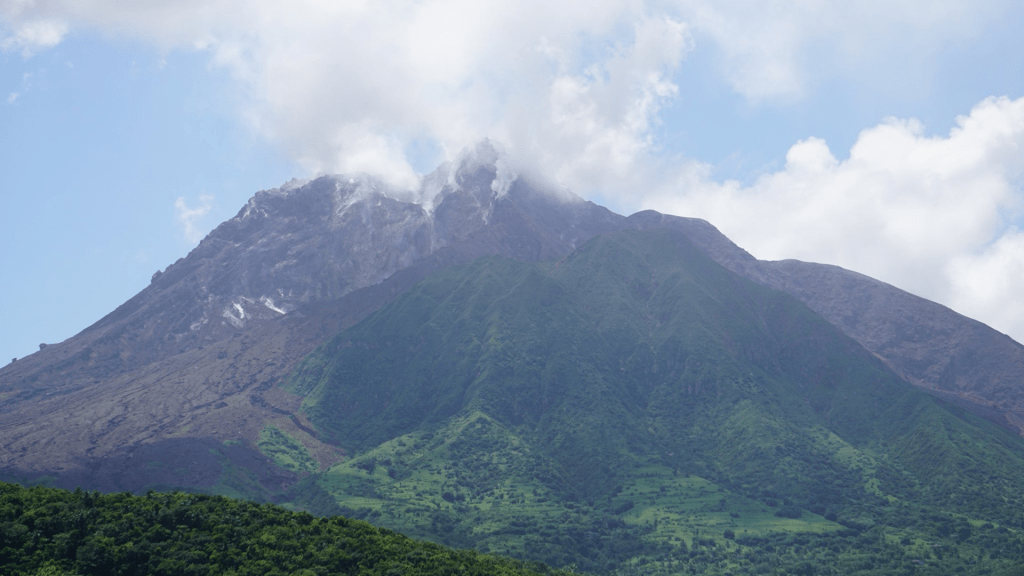
The Montserrat Volcano Observatory reports that activity at the Soufrière Hills Volcano has remained low and is broadly consistent with levels of unrest observed since 2019.
The volcano has produced higher rates of volcano-tectonic earthquakes since 2019 and higher rates of low frequency earthquakes since 2024, and these have been sustained over the last 12 months.

A brief but unusually intense swarm of earthquakes (or VT-string) was observed in December 2024. Ground deformation trends indicate a slower inflation of the edifice compared with previous years.
Measured SO2 fluxes have averaged ~300 tonnes per day over the last year, similar to the long-term average.

Thermal camera images of fumaroles on the dome collected over the last year show a temperature range between 200 and 440 °C, showing a continuing decline as observed in previous years.
Overall, the level of unrest at Soufrière Hills Volcano over the last 12 months has been low and broadly similar to last year.

The best overall explanation for this unrest is pressurisation of the magmatic reservoir and voluminous degassing. However, slowing inflation suggests a reduction in these deeper processes.
SO2 flux has shown a modest decreasing trend in the last 2-3 years and there are indications of cooling in fumarole temperatures in and around the dome.

In other volcanic systems cooling and sealing of shallow degassing pathways has sometimes led to steam-driven, phreatic explosions.
Such explosions can occur without precursory signals but would likely impact only the upper flanks of the volcano.

Low-probability high-impact hazards, such as pyroclastic flows and explosions, which could affect the lower flanks of the volcano within zone V, are highly unlikely to occur without warning signs.
In the longer term, the resumption of lava extrusion remains possible. Continuous monitoring of the volcano is therefore essential.






Leave a Reply