Dale C. S. Destin – Published 29 November 2023 | As November ushers in the anticipated swell season across the Caribbean Basin, it brings both excitement and a need for heightened awareness among coastal communities.

Lasting until April, this period is marked by the arrival of formidable swells that transform tranquil shorelines into dynamic, potentially hazardous environments for beachgoers and surf enthusiasts alike.
Defining the Swell Season
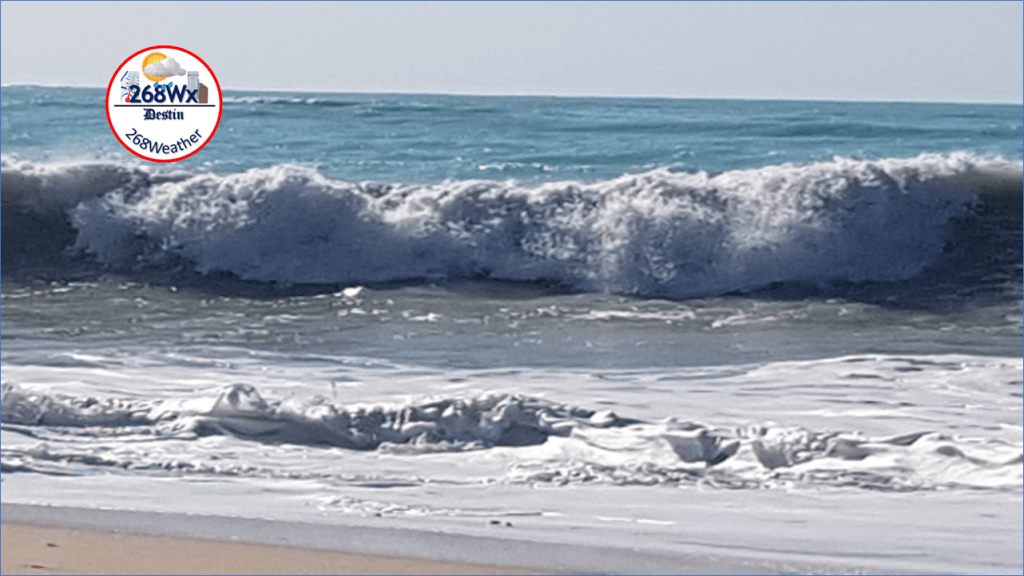
The swell season spans from November to April, characterized by the arrival of swells reaching 5 feet or more along the coasts of Antigua and Barbuda and much of the Caribbean Basin.

These swells are generated primarily by extratropical low-pressure systems originating from winter storms off the United States east coast and or developing over the northern North Atlantic.
According to data from 2009 onwards, December reigns as the month of the season with the most swell days (25 on average), that is, days with swells reaching 1.5 metres (5 feet) or more along our mainly northern shores.

However, it’s worth noting that January and February typically witness the maximum height swells in these parts.
On a seasonal annual scale, the mean maximum swell height is an impressive 4.8 meters (16 feet). Meanwhile, the tallest swell on record to reach our waters was around 6.2 metres or 20.4 feet, March 4, 2018. This showcases the remarkable height, power and intensity seasonal swells can reach.


 safety steps
Leave a comment