
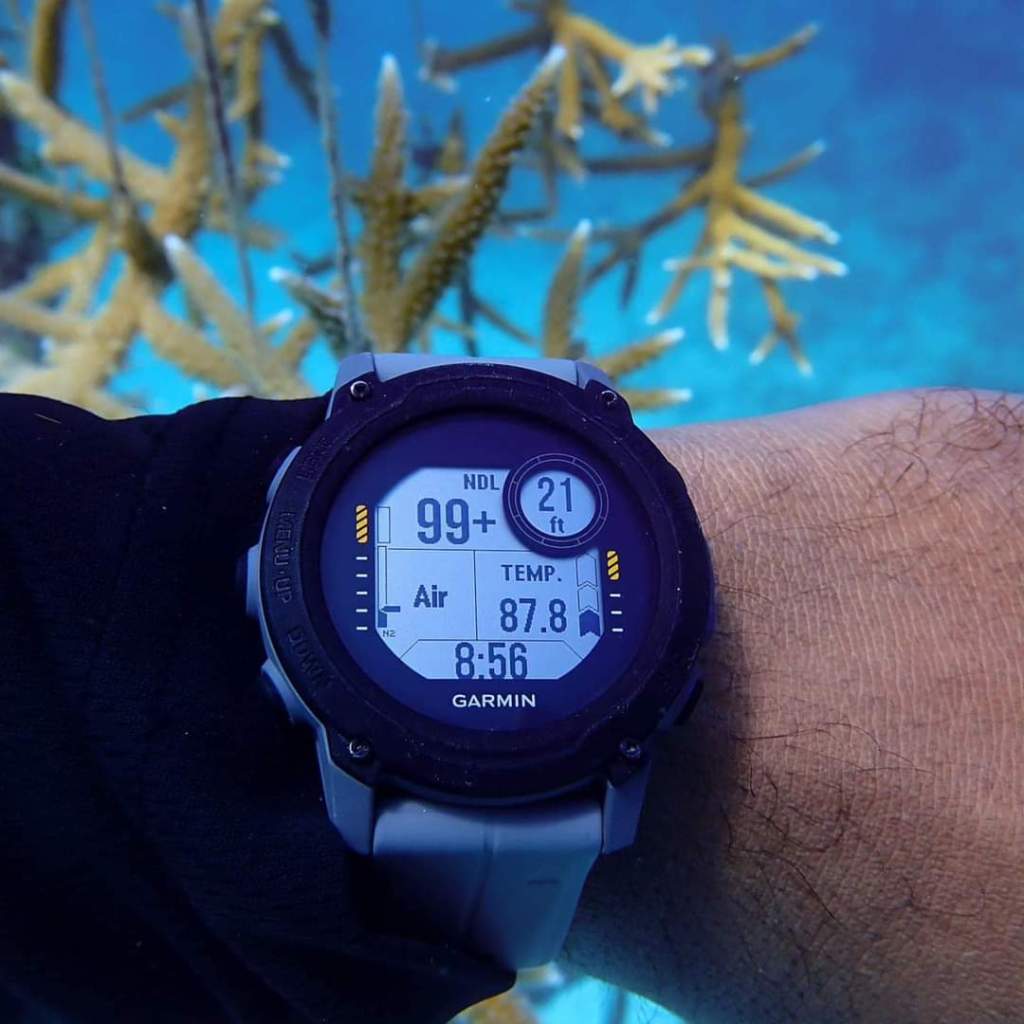
Antigua and Barbuda National Park – There has been an increase in ocean temperatures caused by both human activities contributing to climate change and the influence of El Niño.

In July, temperatures exceeded the 1.5-degree Celsius mark compared to pre-industrial levels, marking a significant milestone.
This rise in temperatures has led to the phenomenon of Rapid Tissue Loss observed in certain Acroporid corals within the coral nursery environment.

However, amidst these challenges, there are promising signs of resilience. Some corals and ecosystems are displaying remarkable adaptability and thriving despite the unfavourable conditions .
This resilience is noteworthy, underscoring the capacity of certain species/genotypes to endure and potentially adapt to changing environments.

We all have a collective responsibility to take more substantial actions to limit the negative consequences of climate change.
The call to action is clear: while nature shows resilience, human efforts to curb and mitigate climate change are crucial to safeguarding the long-term health and stability of these ecosystems.



 safety steps
Leave a comment