

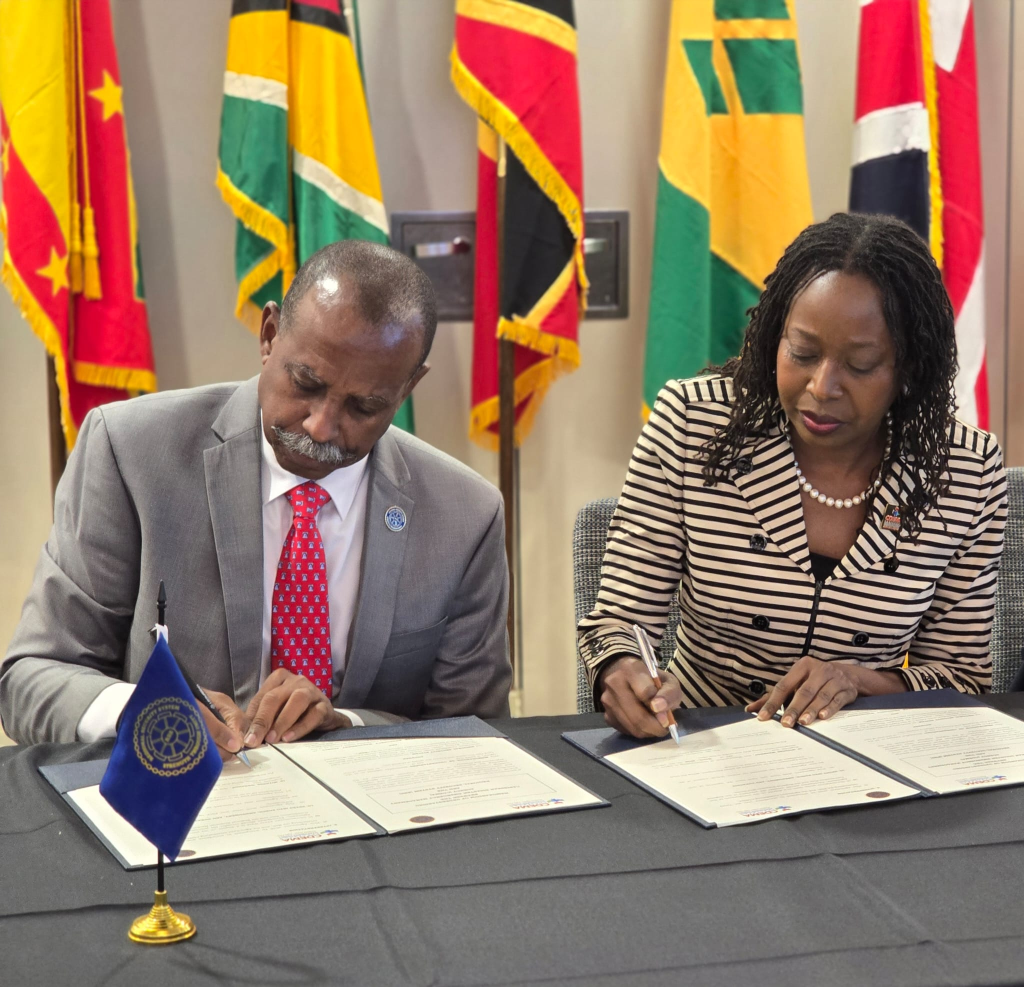
Rose-Ann Smith (PhD) – I recently participated in the CDEMA’s Sectoral Recovery Capacity Assessment Methodology alongside colleagues from various Caribbean countries. The training was not only informative but also enlightening, sparking numerous fruitful discussions on actions to achieve disaster resilience.

I listened intently to my Antiguan colleague throughout these sessions as he addressed a problem that I had previously thought about as well. How can the impoverished class rebuild their lives in a more resilient manner? Considering their limited resources, what does “building back better” mean for them?
This topic has always been close to my heart, and I firmly believe that unless we tackle the issue of poverty, our efforts to foster true resilience will fall short. Transformative recovery strategies may exist in theory, but implementing them proves challenging, especially when it comes to enforcing existing building codes for impoverished communities.
These communities often struggle to afford the materials required for constructing stronger infrastructure. In this context, I strongly believe that any policies, plans, training, strategies, or programs must be tailored to reflect the unique circumstances of our Caribbean islands, particularly the prevalent poverty that has led to informal settlements and the disproportionate impacts of disasters.

When it comes to building resilient housing or rebuilding damaged dwellings with more lasting infrastructure, communities that have been hit disproportionately hard by disasters confront considerable challenges. As a result, before we even contemplate enforcing policies, I propose three key areas of attention when it comes to the poor:
Enhancing the skill sets of local/community contractors, masons, and family members who are often responsible for building homes, sometimes informally, at times, over a pot of food and some alcohol.
Considering subsidies for building materials in vulnerable communities. Following the COVID-19 pandemic and subsequent economic fallout, the prices of building materials skyrocketed in certain countries.

Investing in strengthening Social Protection Systems (SPS) across the islands. Recently, I have studied SPS more thoroughly and investigated how it relates to disaster resilience. Among its many facets, one aspect I find particularly promising is the implementation of social intervention programs such as education and entrepreneurship grants.
Such initiatives address the root causes of poverty, including limited education and training, which affect employability and, ultimately, an individual’s ability to earn a sufficient income to construct stronger or more resilient buildings.
While there are other areas to consider, these three proposals offer insight into how I envision the resilience-building process for impoverished communities.

Additionally, I would like to touch upon an amusing yet thought-provoking remark made by one of my colleagues from Guyana during today’s meeting. In our discussion on resilience building, she humorously suggested the need for “resilient salaries.”
Her remark struck a chord with many of us. It resonated with me personally, as I had just learned that my child’s school fees had increased by over 35%. In the preceding months, I also received letters notifying me of rising mortgage and vehicle loan interest rates.
This situation is not unique to me; due to changes in the financial sector, financial institutions in Jamaica have been under pressure to raise interest rates. While there may be explanations for these increases, we haven’t seen a corresponding rise in the average employee’s salary.

With stagnant wages unable to keep pace with the rising cost of living, how many households can truly prioritize disaster resilience? For many, the implicit choice becomes a trade-off between purchasing food, paying bills, and sending their children to school rather than acquiring materials such as plywood, window shutters, or a stronger roof.
The reality is that salaries often lack the “resilience” necessary for households to adopt the strategies needed to withstand disasters.


Rose-Ann Smith (Ph.D.) – Lecturer, Consultant in CCA and DRR, OAS Scholar
This article focuses on addressing the challenges faced by impoverished communities in rebuilding their lives in a more resilient manner. I emphasize the need to tackle poverty as a fundamental aspect of fostering ‘true resilience’.
I propose three key areas of attention for the poor:
1. Enhancing the skills of local contractors and builders
2. Considering subsidies for building materials
3. Investing in strengthening Social Protection Systems (SPS) to address the root causes of poverty.
I also touch upon the need for “resilient salaries,” as stagnant wages make it difficult for households to prioritize disaster resilience amidst rising living costs.

 safety steps
Leave a comment